By the Florida West Coast Weather Team | August 5, 2025 • 5 min read
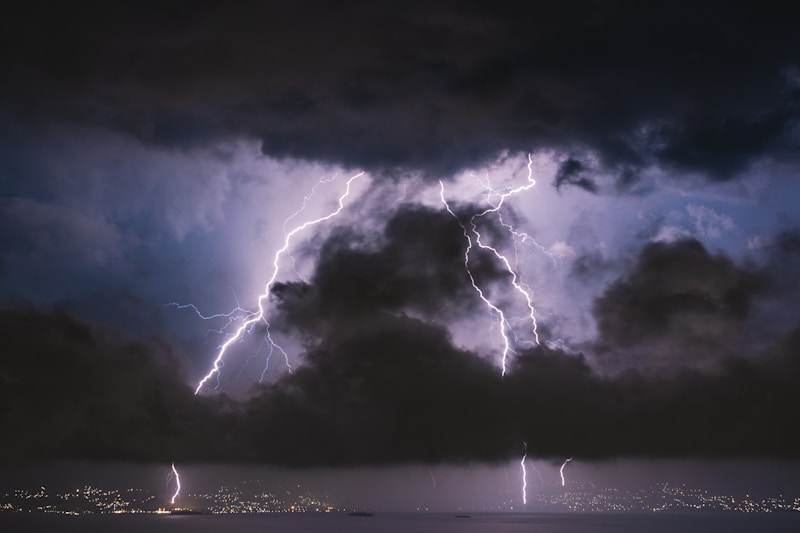
**Fast Fact:** Florida is widely known as the lightning capital of the United States. When the skies darken over the Gulf Coast, a beautiful beach day can turn dangerous in a matter of minutes.
Whether you are new to the Sunshine State or a lifelong resident, respecting our intense summer weather is non-negotiable. Severe thunderstorms here pack a punch—bringing torrential rain, damaging winds, and deadly lightning strikes. Instead of a traditional article, we have broken down everything you need to know into a quick-action survival guide so you can stay safe when the thunder roars.
Phase 1: Decoding the Alerts
Don't wait for the first drop of rain to take action. Knowing the terminology used by the National Weather Service is your first line of defense.
- Severe Thunderstorm WATCH: Conditions are favorable for severe weather to develop.\
Your Action: Keep an eye on the sky and your weather app. Make sure your phone is charged and bring your pets indoors.
- Severe Thunderstorm WARNING: Severe weather is actively occurring or imminent in your immediate area.\
Your Action: Drop what you are doing and take shelter immediately.
Phase 2: The Golden Rules of Lightning Safety
When you hear thunder, you are already within striking distance of lightning. Memorize these two rules to keep your family safe:
1. The 30/30 Rule
If you see lightning and cannot count to 30 before hearing thunder, you are in the danger zone. Seek shelter immediately. Once the storm passes, you must wait 30 minutes after hearing the last clap of thunder before heading back outside.
2. "When Thunder Roars, Go Indoors"
Pavilions, tents, and beach umbrellas offer absolutely zero protection from lightning. You need a fully enclosed, substantial building with wiring and plumbing to be safe.
Phase 3: Location-Based Action Plan
Your safety strategy changes depending on where you are when the storm hits.
If You Are Caught Outdoors:
- Seek an Enclosed Building: Get inside a sturdy structure as quickly as possible.
- Retreat to Your Car: If a building isn't available, a hard-topped metal vehicle with the windows rolled completely up is a safe alternative. (Do not touch the metal doors, steering wheel, or radio dials).
- Avoid Tall Objects: Never seek shelter under an isolated tree, and get out of the water (pools, Gulf, or lakes) immediately.
If You Are Safely Indoors:
- Stay Away from Windows: High winds and microbursts can easily blow heavy debris through glass.
- Unplug Valuables: Disconnect computers, TVs, and expensive appliances before the storm hits to avoid catastrophic power surge damage.
- Avoid Running Water: Lightning can travel through building plumbing. Save your shower or washing the dishes for after the storm has completely passed.
- Ditch the Corded Phone: If you still have a landline, do not use it during a storm. Cell phones are perfectly safe to use.
Phase 4: The Quick-Grab Storm Kit
Power outages are a frequent side effect of Florida thunderstorms. You don't need a massive hurricane kit for a Tuesday afternoon storm, but keeping a small, accessible bin with these essentials is highly recommended:
1. Battery-powered weather radio to monitor local alerts if the cell towers go down. 2. High-lumen flashlights (skip the candles, as they present a major fire hazard). 3. Portable power banks to keep your mobile devices charged. 4. A basic first-aid kit for minor injuries.
Tags
- #Thunderstorm
- #Weather
- #Safety