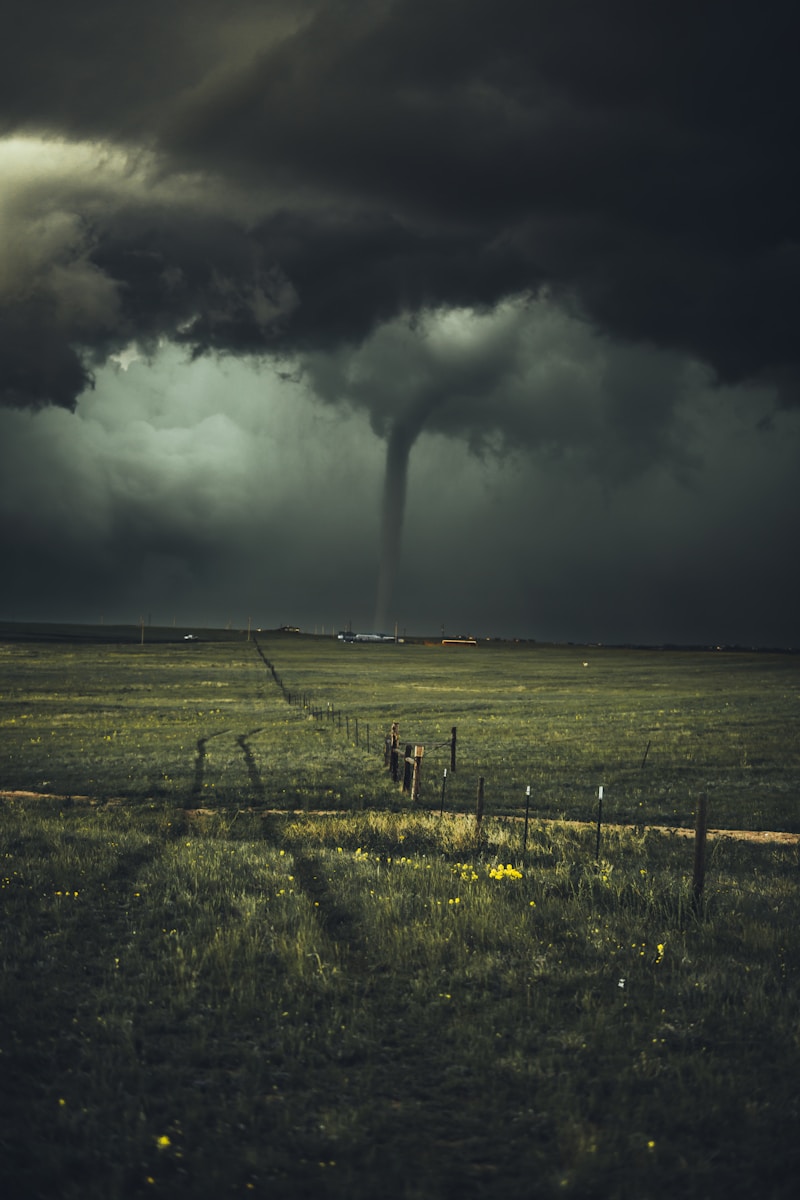
Hurricane season is a defining part of life along the Florida West Coast. While the Gulf Coast offers incredible beauty, the period between June 1 and November 30 requires vigilant preparation. A major storm can disrupt power, supply chains, and daily life in a matter of hours.
True preparedness happens long before a tropical system forms in the Atlantic. This comprehensive guide covers essential emergency kits, evacuation planning, home protection strategies, and critical resources to help keep your family safe.
1. Building a Bulletproof Emergency Kit
When a storm approaches, store shelves empty rapidly. Building your disaster supply kit early ensures you avoid the last-minute rush and have enough supplies to sustain your household for at least seven days.
The Essentials Checklist:
- Water: One gallon of water per person per day for at least 7 days, strictly for drinking and sanitation. Don't forget extra water for pets.
- Food: A 7-day supply of non-perishable, shelf-stable foods that do not require cooking or refrigeration. Stock up on canned meats, fruits, vegetables, and high-energy snacks.
- Medications: At least a two-week supply of all prescription medications, along with a fully stocked first-aid kit.
- Power and Light: Heavy-duty flashlights, lanterns, and a wealth of extra batteries. Avoid candles due to the severe fire risk during and after a storm.
- Device Charging: Multiple fully charged portable power banks to keep your cell phones working when the electricity goes out.
2. Developing an Evacuation Plan
In Florida, the rule of thumb for hurricanes is simple: Hide from the wind, run from the water.
Know Your Zone
The coastal counties of West Florida are highly susceptible to storm surge. Take time right now to look up your specific evacuation zone through your local county's emergency management website. These zones are designated by letters (Zone A, B, C, etc.) and are based on vulnerability to storm surge, not wind speed.
Plan Your Destination
- Have a Local Backup: If you live in a non-evacuation zone and a sturdy home, your plan might be to shelter in place. However, if you are ordered to evacuate, you don't necessarily need to drive hundreds of miles north. Often, driving tens of miles inland to a friend's home, hotel, or public shelter outside the evacuation zone is sufficient.
- Map Your Routes: Identify multiple driving routes out of your area, as major highways like I-75 can experience extreme traffic delays when an evacuation order is active.
- Pet-Friendly Accommodations: Not all public shelters or hotels accept pets. Confirm pet policies along your evacuation route ahead of time.
3. Home Protection Strategies
Securing your property reduces structural damage and protects your family while sheltering inside.
- Protect Openings: High winds can turn loose items into dangerous projectiles. Install impact-rated windows or heavy-duty hurricane shutters. If using plywood, ensure it is pre-cut to fit your windows and pre-drilled for fast installation when a storm is imminent.
- Clear the Yard: Before a storm arrives, bring all patio furniture, potted plants, garbage cans, and outdoor decor indoors. Trim weak or dead branches from trees surrounding your home to prevent them from crashing into your roof.
- Secure Garage Doors: Garage doors are often the weakest structural point of a home during a hurricane. If your garage door isn't impact-rated, consider purchasing a reinforcement brace kit to keep high winds from compromising the roof structure.
4. Staying Informed: Critical Resources
Reliable information is your best tool during a weather emergency. Avoid relying entirely on social media rumors and stick to verified, professional forecasting entities.
- National Hurricane Center (NHC): The premier authority for official tracking maps, cone models, and storm surge predictions.
- Local Emergency Management: Sign up for text and email alerts from your specific county (such as Pinellas, Hillsborough, Sarasota, or Lee County) for localized sandbag distributions, shelter openings, and evacuation orders.
- NOAA Weather Radio: A battery-powered NOAA weather radio is an indispensable tool that will broadcast continuous weather updates even if local cell towers and internet services fail.
Preparation is Key
Complacency is the greatest risk during hurricane season. By auditing your supplies, finalizing your family communication plan, and hardening your home today, you can face the season with confidence and peace of mind.
Tags
- #Hurricane
- #Preparedness
- #Safety
- #Florida